Snapped Killer Couples S18E13 Recap
The thing that elevates this Killer Couples episode above the standard cold-case-cracked-by-DNA arc is one specific detail that lands about thirty minutes in: Detective William "Billy" Baer of the Jacksonville Sheriff's Office Intelligence Division was assigned to surveil Saad Kawaf for a money-laundering task force, watched him long enough to learn the family's routines, used that intel to rob and murder him in his own garage in 1999, then five months later sat in an interagency briefing with FBI and FDLE agents discussing his own homicide. He kept the badge for three more years before retiring with commendations. Familial DNA caught him in 2020.
(The following is a recap of the Killer Couples episode covering the Billy Baer and Melissa Schafer case, with full spoilers.)
What happens in this episode of Snapped: Killer Couples?
A 39-year-old Syrian immigrant and convenience store owner named Saad Kawaf is found stabbed in the garage of his home in the gated Deerwood community in Jacksonville, Florida, on the morning of May 17, 1999. His wife Samar is duct-taped to a kitchen chair when responders arrive. The case looks like a home-invasion robbery. There is foreign DNA recovered from a bloody shirt collar but, in 1999, no database to match it against. Samar gives investigators a composite sketch of a thin blonde woman she fought off, and a $100,000 reward goes up. Nothing useful comes in. The case goes cold for nearly two decades.
In 2020, the Florida Department of Law Enforcement uses a grant to send the original DNA evidence to a private genealogy database. The match comes back to William Baer, a retired Jacksonville detective who had been on the task force surveilling Kawaf in 1999. A trash pull confirms the DNA. His ex-wife Melissa Jo Schafer, located in Missouri, is brought in by Jefferson City police, identifies herself as the female accomplice within minutes, and gives a full confession that day. Baer pleads guilty in 2021 to avoid the death penalty and is sentenced to life without parole. Schafer pleads to second-degree murder and gets 30 years.
How did a Jacksonville cop end up murdering the man he was surveilling?
Per Schafer's confession, the spiral that produced the plan started with a line-of-duty shooting. Baer was wounded on the job. During surgery, doctors found cancer. The combined medical situation set him back significantly financially. Around the same time, he was assigned to the FBI/FDLE task force investigating Saad Kawaf's convenience store for possible money laundering. Baer's role was surveillance. He learned Kawaf's schedule, his cash-handling routine, the layout of the gated community.
So he used it. He told Schafer that Kawaf was a drug dealer who would never report a robbery because of where the money came from. He had business cards printed identifying them as realtors so they could clear the Deerwood gate. They drove their red Jeep Cherokee to the house on the morning of May 17, 1999, intercepted Saad coming out of the garage, and attacked him with a knife. Samar fought back hard enough to bite Schafer, which is the suspicious-injury detail that becomes physical evidence later. Baer eventually held a knife to Samar's throat to subdue her. They left her duct-taped to a chair and drove home.
Then Baer kept the job for three years. He was on the original task force that briefed Jacksonville homicide detectives on the case in October 1999, five months after the murder. He sat in that update meeting. He listened to detectives go through the leads, the DNA they could not yet process, the description of the thin blonde woman. He nodded along. Then he went back to work. He retired in 2002 with a personnel record full of commendations, including one for saving a child's life. He was not a suspect at any point for the next eighteen years.
This is, frankly, the only thing about the case that is genuinely surprising. The cold-case-DNA mechanic has been an Oxygen staple for a decade and the audience knows the steps. The cop sitting in the briefing about his own homicide is the singular detail. The doc treats it correctly: a former state attorney sums it up flat near the end, "to realize that William Baer, after the murder, was sitting with his task force of federal and state agents listening to an update on the homicide that he committed being discussed, that is just amazing to me." Lock it in. That is the line of the episode.
Why did Melissa Schafer confess the moment police showed up?
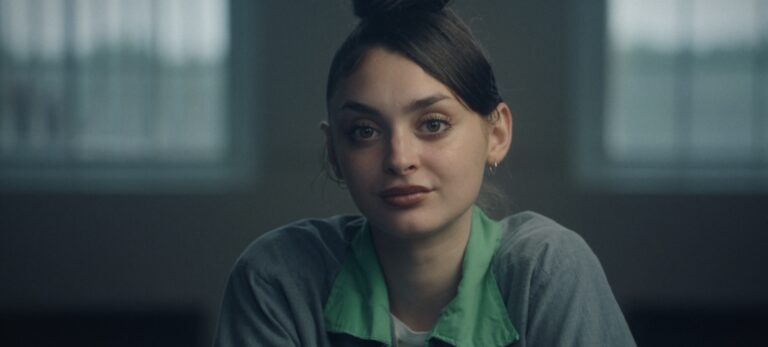
She wanted to. By her own account, she had been holding it inside for 21 years and one cold case detective showing up in Jefferson City was enough to undo her. The investigators do not need to break her down. She immediately knows why they are there. She tells them it is finally a relief to get this off her chest. Within hours she has narrated the planning, the realtor cover, the drive to Deerwood, the attack, the duct tape, the drive home. She names Billy Baer as the killer who held the knife.
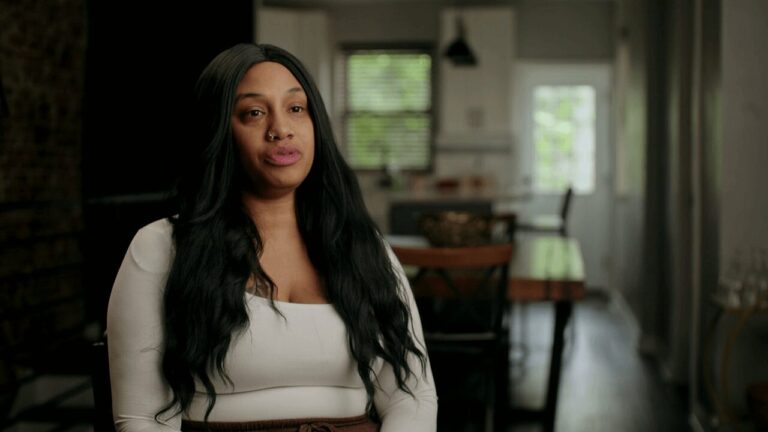
The documentary lets the moral question of Schafer's culpability sit unresolved in a useful way. Two on-camera commentators give explicitly opposite reads. A friend believes she was an honest, intelligent, leader-of-the-pack person who was particularly susceptible to Baer's pressure. The cold case investigator delivers the counter: "Anybody that knows her can't believe that this young gal" was capable of it, but "at the end of the day, it was her choice either to go or not go, and she chose to go." Both can be true. The 30-year sentence splits the difference.
What broke the case open 21 years later?
Familial DNA matching against private genealogy databases. The original 1999 evidence sat in storage waiting for technology that did not exist. In 2018, the Florida Department of Law Enforcement got a grant to start sending cold case samples to private labs. In 2020, the resubmitted DNA produced a candidate list and Baer's name came back. Detectives recognized him as a former colleague. The trash pull from Baer's curb produced empty bottles and cans with his DNA on them, which matched the 1999 sample. He was picked up for questioning on July 1, 2020.
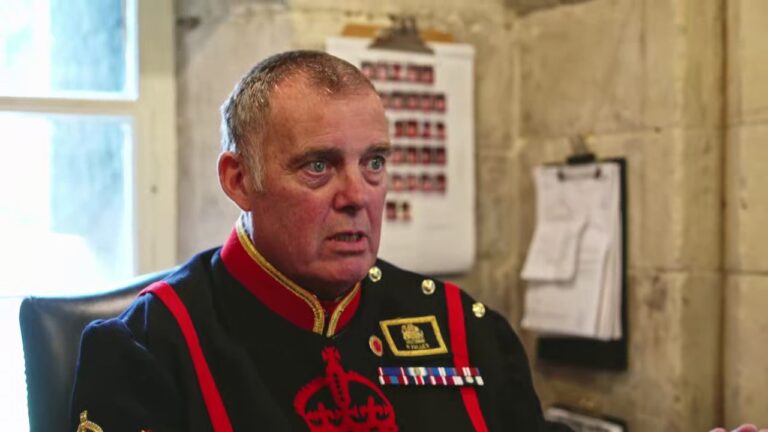
The "law enforcement reaction" beat in the doc is its most uncomfortable thread. The retired investigators on camera all say variations of the same line: it leaves a bad taste, you do not expect this from one of your own. None of them really sit with the implication, which is that Baer kept policing Jacksonville for three years after killing a man on the very task force he served. The doc lets the line stand. I think they should have pushed harder.
What is the closing scene of this Killer Couples episode?
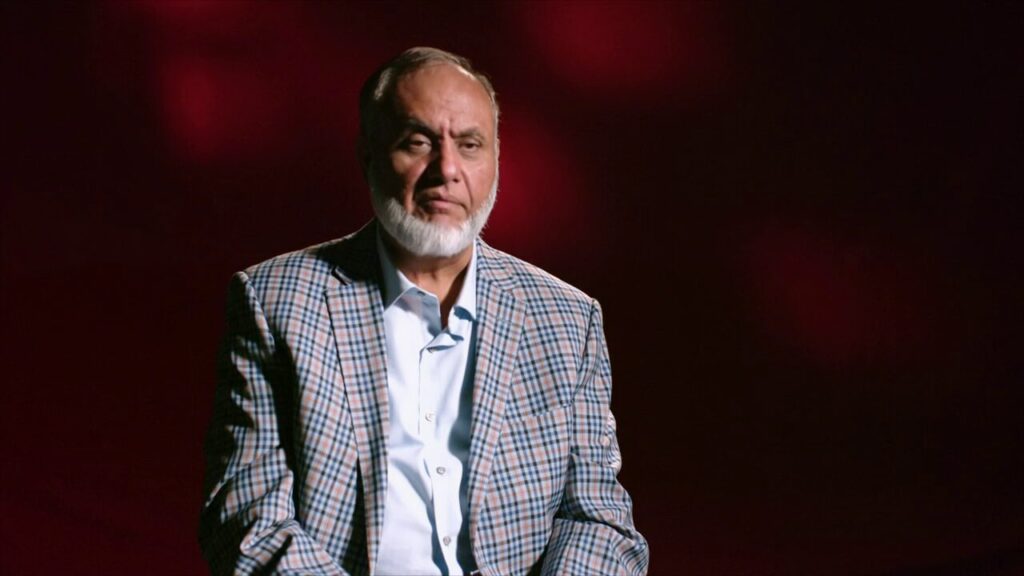
The closing scene goes to a friend of Saad Kawaf, a leader at the Islamic Center of Northeast Florida who met the family shortly after their move to Jacksonville. He delivers the eulogy in a steady, mournful register: "Saad was a family man. He was a generous man. He was very pious, righteous, smiling, very social, very friendly, very caring, a person who was kind to everybody."
Then the line that closes the episode: "When these kind of souls go away, they leave a huge vacuum." The doc holds on the picture of Saad. Roll credits.
It is the right ending for this case, because the killer-cop angle is juicy enough to overwhelm the victim if you let it. The closing minute is the show insisting you do not let it.
Details
- Season
- 18
- Episode
- 13
- Episode title
- Michelle Hetzel and Brandon Bloss
- Air date
- 2026-05-17