Philly Homicide Season 2 Episode 6 Recap

The bridal warehouse murder is the headline, the .38 revolver and the "one down, four to go" line is the hook, and Vernell Jones's eight-month jailhouse silence is the engine that makes the case work. But the actual reason "The Hit List" sticks is buried in the second act, when Kenneth Burno's younger brother Lamar matter-of-factly mentions that Kenny was in the high school choir group Michael Bivins picked up and renamed Boyz II Men. He chose college over the record deal. Boyz II Men went on to sell 60 million albums. Five years later, Kenny is the boyfriend ordering his struggling-singer girlfriend to murder five men. The episode never says it out loud, but the math is right there.
(The following is a recap of Season 2, Episode 6, "The Hit List," with full spoilers.)
What happens in Philly Homicide Season 2 Episode 6 "The Hit List"?
A David's Bridal warehouse night manager is found shot dead in his running van in a Whitemarsh Township parking lot a week before Christmas 2001, and the case is broken open eight months later when the shooter gives up the boyfriend who masterminded the whole thing. John Davis (the victim, a Philly community figure who mentored young men at the YMCA) was murdered by Vernell Jones, a struggling Philadelphia R&B singer he had briefly dated. The shooter behind her in the back of the van was Kenneth Burno, Vernell's boyfriend and manager.
The bullet was a .38 from a revolver. The same gun had been used two months earlier to wound a Philadelphia firefighter named Ronald Humphrey in Fairmont Park. That ballistics match cracks the case open. Vernell's eventual confession reveals the full plot: Burno had given her a written list of five men he believed she had slept with, and an ultimatum, that she kill all five or the relationship was over. Davis was victim number two. The first attempt on Humphrey had failed. After the Davis killing, Burno said to her, "One down, four to go."
Burno was convicted of first-degree murder and conspiracy and is serving life. Vernell took a plea deal, served 17 years, and was paroled in 2018.
Who was Kenneth Burno, and how did Boyz II Men's success poison him?
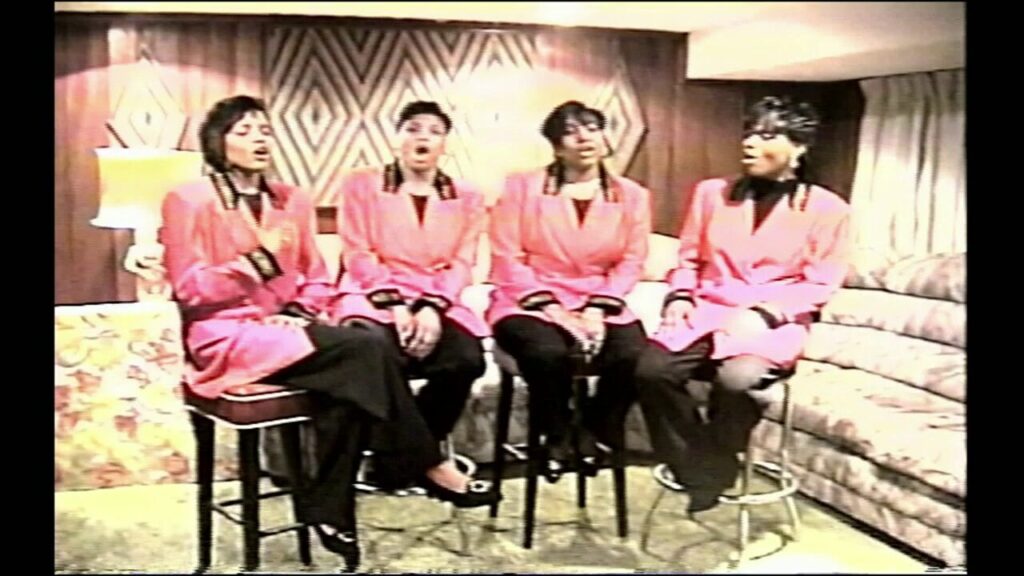
Kenneth Burno was a member of the Creative and Performing Arts high school choir group called Unique Attractions, the group that sang for Michael Bivins at a school visit. Bivins liked them. He signed them and renamed them Boyz II Men. Burno, by his brother's account, walked away when his girlfriend got pregnant, on the reasonable grown-up logic that you should finish college before betting your life on a singing career. The other guys did not finish college. They sold 60 million albums.
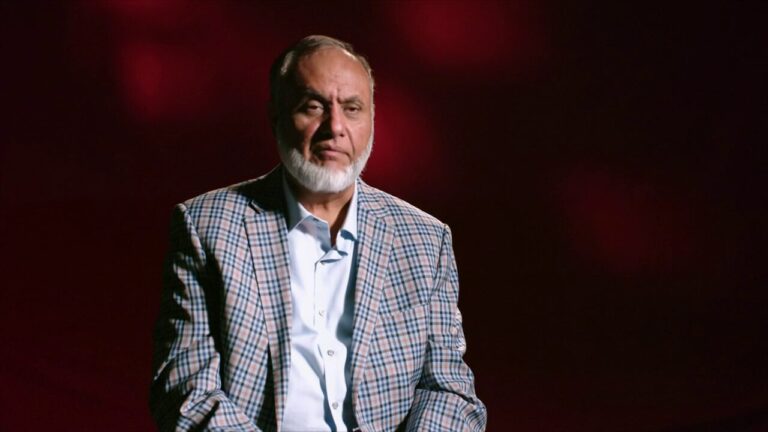
Lamar Burno is the on-camera source for all of this, and the documentary lets him narrate the backstory with a strange protective dignity. He insists his brother never resented the loss: "It was their time. It was just their time." The episode's other commentators disagree. One investigator says flatly that Boyz II Men's success "causes some resentment in Kenny." You can decide which version you believe. The pattern of behavior over the next decade points pretty clearly at one of them.
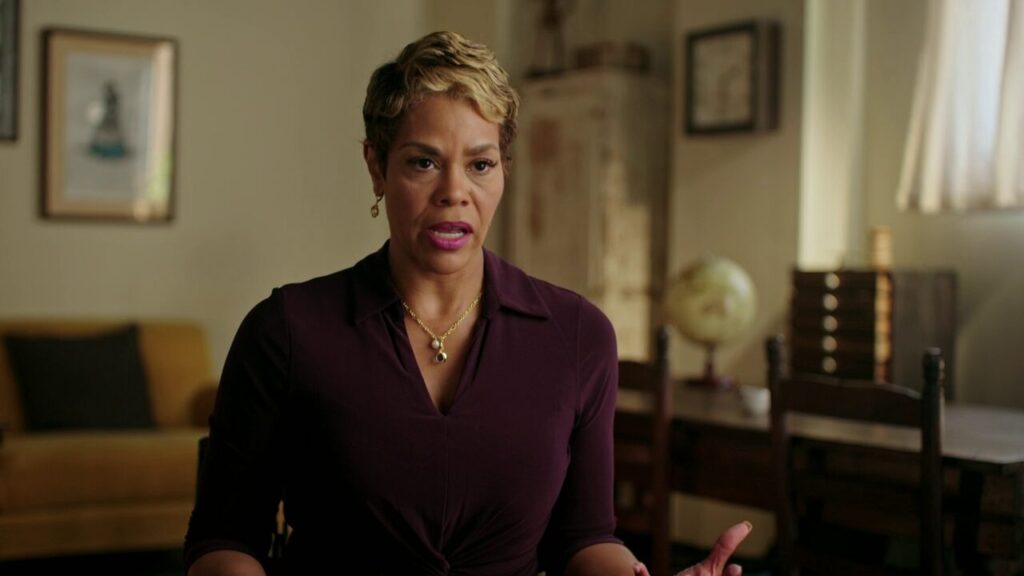
The Vernell Jones arc is what Burno did with that resentment. He met an attractive, charismatic singer in her early thirties who was missing too many shifts at the bridal warehouse because she was chasing gigs with a local R&B group called Surprise. He decided he was going to make her a star. Over five years he took control of her money, her phone, her contacts, and eventually her capacity to refuse him. Whether or not he was hitting her (Lamar insists no police reports exist; Vernell says it was constant), he was unambiguously running her life. The hit list was the endpoint of that control: I will own you so completely that you will kill for me to keep me.
That is the actual story of "The Hit List." It is a man who almost made it, and who spent the rest of his life trying to manufacture an equivalent feeling of ownership over the next person within reach who could sing. The fact that he chose murder as the proof-of-loyalty mechanism is, in a strange way, beside the point. The point is that he needed the proof.
I respect the doc for not over-narrating this. The Boyz II Men beat is delivered in maybe ninety seconds of footage and then dropped, and the rest of the episode lets you sit with what it implies.
What was the hit list, and what is the "one down, four to go" line?
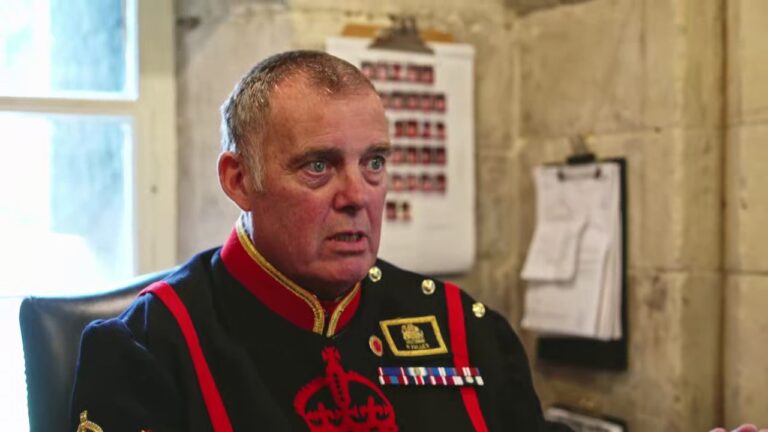
The hit list was a literal piece of paper. Five names, all men Burno believed Vernell had slept with at some point in her life, written down at his demand during the summer of 2001 after he accused her of an affair with his cousin. He told her to kill all five or the relationship was over. The first attempt, on firefighter Ronald Humphrey in Fairmont Park in October, ended with Humphrey wounded but alive and Vernell running off in panic. "She was so nervous, she couldn't even fire a straight shot," one investigator says. Burno was furious. They moved to the second name.
That was John Davis. On the night of December 17, 2001, Burno was already hiding in the back of Davis's van when Vernell lured him out to the parking lot. Burno fired the head shot. He then made Vernell fire two more shots into Davis's body with the same gun, in what an investigator calls "an act of allegiance." In the car driving home, Burno told her: "One down, four to go."
A third name, a man named Larry Tucker in Atlanta, was alerted by detectives a year later and corroborated everything. He is the reason the case had a fifth witness in addition to the firefighter, the ballistics, and Vernell.
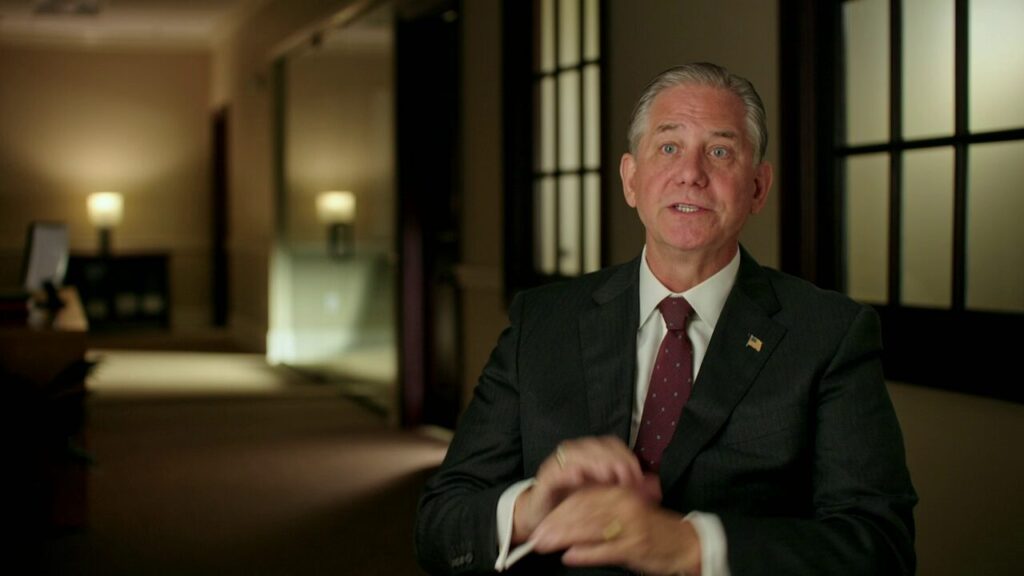
Why does Kenny's brother Lamar still defend him on camera?
Lamar Burno spends his on-camera time politely refusing to accept the story everyone else in the doc is telling. He says he never saw Kenny hit Vernell. He says there are no police reports. He says the abuse story was Vernell's invention because she could not handle Kenny dating other women. He closes his interview with: "The judicial system has failed my brother."
This is the most uncomfortable thread in the episode, and the documentary does not try to resolve it. It just lets him talk. Argue with me, but I think that is the right call. True crime documentaries are usually too eager to give you the closed-door verdict and move on, and this one does the harder thing: it leaves a family member's flat denial sitting in the air next to a confession, a conviction, and a hit list. You can hold both at once. The show trusts you to.
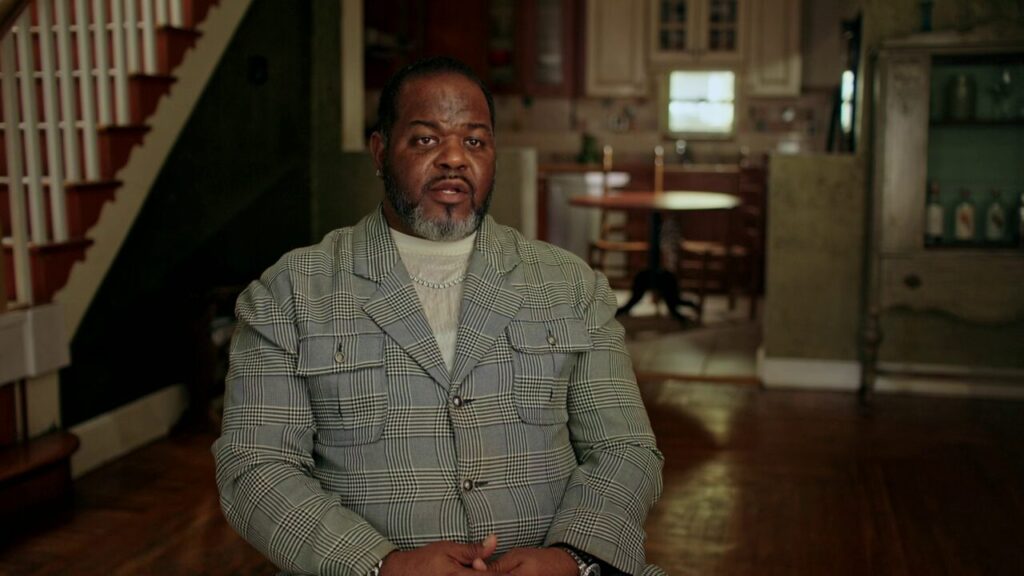
What is the closing scene of "The Hit List"?
The closing scene belongs to Robert Woodson, the David's Bridal coworker who was the last person to see John Davis alive. Woodson sits in the interview chair, looks somewhere past the camera, and says, "John, I love you, man. I know you in a better place." Then: "I know you right now, you're sitting at the center table up in heaven."
It is delivered without performance and it lands harder than any of the dramatic recreations of the murder itself. Woodson, a tall man whom John had hired and mentored at the warehouse, has been the emotional center of the episode without doing any of the heavy plot work. He is the only person on camera who got the full version of John Davis as a mentor, a father figure, and a friend. He gets the closing word. Roll credits.
Philly Homicide Season 2 airs Saturdays at 8 p.m. ET on Oxygen and streams on Peacock. Episode 6, "The Hit List," is available on both. Hosted by Det. Chris McMullin (Ret.), the second season began April 11, 2026.
What's your read on Lamar Burno's "judicial system failed my brother" line, and on whether the Boyz II Men resentment angle is the real engine of the case or a tidy storytelling overlay? Drop your take in the comments.
Details
- Season
- 2
- Episode
- 6
- Episode title
- The Hit List
- Air date
- 2026-05-16
- Runtime
- 42 min